
Starch ether
Hydroxypropyl Starch Ether
A starch ether used together with cellulose ethers, mainly to improve anti-slip and sag resistance.
Nonionic hydroxypropyl starch ether used with cellulose ether for better anti-sag, workability and surface feel.
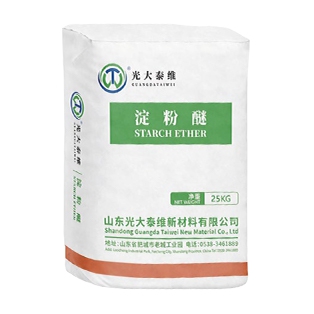
- Packing
- 25 kg net per bag, supplied in paper-plastic bags with a polyethylene film inner liner.
- Storage
- Store cool, dry and sealed, away from moisture, sunlight and rain. Reseal the bag after opening; the product takes up moisture from the air.
Product Detail
Product overview
Hydroxypropyl starch ether (HPS) is a modified natural starch ether — a non-ionic, water-soluble polymer normally used together with cellulose ethers in dry-mix mortars.
Main uses
Tile adhesives (especially where anti-slip is required), rendering mortars, wall putty, self-levelling compounds and gypsum-based mortars.
What it solves
- Anti-slip: tiles stay in place on vertical surfaces
- Sag resistance: less running when trowelling on walls
- Feel: easier trowelling with less wasted material
- Cost: used with cellulose ethers it can reduce the cellulose ether dosage at equal performance
Choosing a grade
The ratio with cellulose ether depends on mortar type and application method. We can suggest a starting range for your trials.
Specifications
- Appearance
- White flowable powder
- Hydroxypropyl content
- 20 - 40
- Moisture content (%)
- ≤12.0
- Ash content (%)
- ≤12.0
- pH value
- 5 - 11.5
- Viscosity
- Medium
- Transmittance
- ≥25
- Ionic nature
- Nonionic
- Solubility
- Soluble in cold water, forming a transparent or translucent viscous liquid
- Typical dosage
- 0.02% - 0.2% of mortar dry powder
- Packing
- 25 kg net per bag
Request a quotation
Tell us the product, quantity and destination port. We will reply with price and lead time — samples available on request.
Technical Data
Key Features
- Nonionic hydroxypropyl starch ether with a stable ether bond that resists hydrolysis, oxidation, dextrinisation and cross-linking.
- Rapid thickening at low dosage, with medium viscosity and a certain degree of water retention.
- Improves sag resistance and anti-slip performance so mortar does not slide during trowelling or tile fixing.
- Good lubricity and plasticity for smoother trowelling, easier finishing and better workability.
- Lowers stickiness in wet mortar and improves the surface feel during application.
- Used together with HPMC or other cellulose ether; at equal performance it can help reduce cellulose ether dosage.
- Improves plaster rheology, helps limit shrinkage and cracking, and retards the open time of mortar.
- Compatible with other building additives; chemically similar to HPMC, used as a thickener and texturing agent.
Applications
- Cement-based tile adhesive (tile glue)
- Lightweight thermal insulation plastering mortar
- Plaster, putty and interface agent
- Repair mortar
- Hand-applied wall plaster and machine spray plaster
- Finishing plaster and decorative mortar
- Gypsum building element bonding and joint cement
- Waterproof sealing mortar, masonry and bonding mortar
Dosage & Usage
- 01Typical addition is 0.02% - 0.2% of the total mortar dry powder; adjust within this range according to the specific application.
- 02Premix HPS with the other dry powder components until uniform, then add the recommended amount of water and stir for use.
- 03The ratio with cellulose ether (HPMC) depends on the mortar type and the application method; confirm it with a trial batch first.
- 04At equal performance, adding HPS can allow a lower cellulose ether dosage; verify any formula change in a trial batch before production.